

ADHD & Burnout: Signs, Symptoms, Causes and How to Recover
Most people are familiar with the term ‘burnout’. Burnout is a recognised phenomenon where people experience mental and physical exhaustion, usually due to significant amounts of daily stress. You might have a high workload, a demanding job with a long commute or be trying to balance multiple demands on your time. Family pressures, relationship difficulties, chronic illness and caring responsibilities can all contribute to exhaustion and burnout.
Burnout is also more common in people who are neurodivergent. A recent 2025 study looking at people with burnout in Sweden found that ADHD symptoms were associated with greater severity in symptoms. Some participants had never received a formal diagnosis until they presented with burnout.
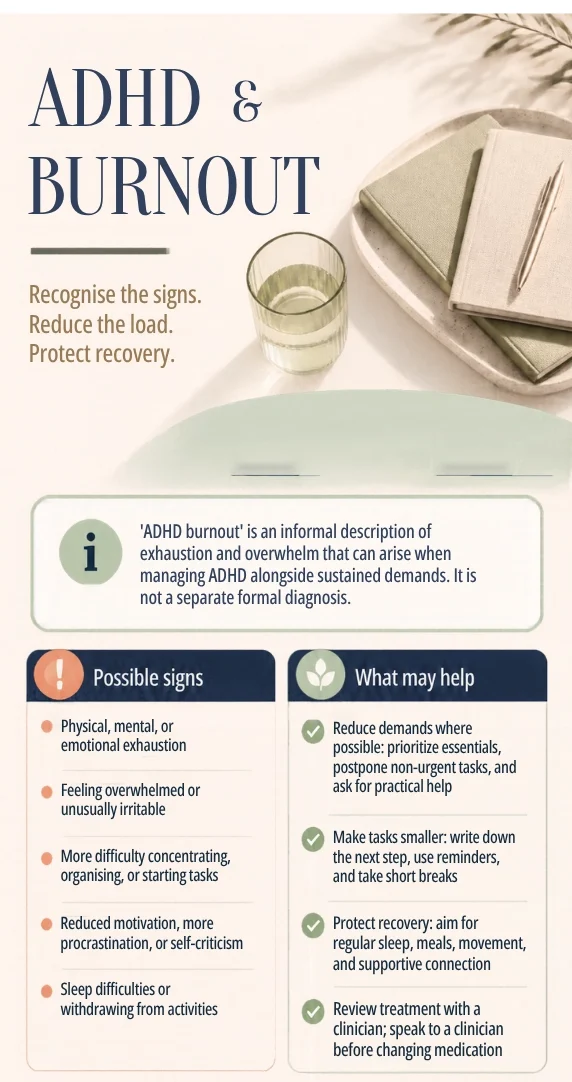
If you live with ADHD, managing daily life can take a lot of effort. Sometimes you may be so adept at this that you do not realise it is exhausting you until burnout hits. If you have ADHD or know someone who has it, you may have noticed that you struggle to remember things, organise tasks or find motivation to get started. This is known as ‘executive dysfunction’.
Trying to push through these difficulties can be tiring. Sometimes people with ADHD also find it hard to relax. Your mind may be racing all the time, you may feel a need to move constantly or you may have a sense of inner restlessness. This makes it harder to rest and protect your body from exhaustion.
For some people, this ongoing effort can lead to ADHD burnout, a state of chronic exhaustion. You may find your ADHD symptoms are heightened – concentration is harder, decision paralysis feels more overwhelming and your emotions are hard to regulate. This can lead to feelings of failure or shame, which are already common for people with ADHD. Identifying burnout and getting the right support is crucial to recovery.
In this article, we explore the signs and symptoms of ADHD burnout, potential causes, how it differs from other types of burnout and some practical strategies that can help you recover.
What Is ADHD Burnout?
ADHD burnout is a period of mental, physical and emotional exhaustion caused by the cumulative demands of managing ADHD.
ADHD burnout develops when the mental effort required to plan, organise, focus and regulate emotions is not possible to sustain and you become overwhelmed. It does not affect everyone with ADHD but you may be more at risk during times of increased stress, e.g. life transitions, studying or parenthood, particularly if you have relied on coping strategies that no longer work in this new phase of life.
Often we see people presenting with burnout before they are aware they may have ADHD. Difficulty with organisation or motivation can be perceived as a personal failing rather than a symptom, particularly in a society that values productivity and success. If you have been compensating for these difficulties your entire life it is not easy to step back and notice this. Over time, this can become exhausting.
Here are some examples of how ADHD might affect you in your daily life:
- Executive dysfunction
- Trying to juggle multiple obligations, meetings, appointments and plan accordingly.
- Emotional dysregulation and rejection sensitivity
- Feeling very upset following constructive feedback at work and struggling to manage these emotions for the rest of the day.
- Masking ADHD symptoms to meet social expectations
- Focusing on not fidgeting during meetings or trying to maintain eye contact
- Sensory overload and overstimulation
- Managing new parenthood with a crying baby and breastfeeding.
- Repeated experiences of frustration, rejection or perceived failure
- Being told you’re not living up to your potential at school and you should “just try harder”.
What Are the Signs and Symptoms of ADHD Burnout?
The main sign of burnout is a persistent sense of exhaustion; this can be both mental and physical and doesn’t disappear with rest.
You might find that tasks you previously managed now seem to require more effort. You may also experience more ups and downs in your mood, irritability, difficulty concentrating and a reduced ability to cope with everyday demands.
Common ADHD burnout symptoms include:
- Persistent mental and physical exhaustion.
- Brain fog and difficulty concentrating.
- Loss of motivation and interest in previously enjoyable activities.
- Increased irritability and emotional sensitivity.
- Feeling overwhelmed by simple decisions.
- Difficulty organising tasks and managing responsibilities.
- Withdrawing from friends, family and social activities.
- Feeling disconnected or emotionally numb.
- Increased self-criticism, guilt and shame.
Cognitive Symptoms of ADHD Burnout
Cognitive exhaustion is one of the defining features of ADHD burnout. You might notice that your usual executive functioning difficulties become significantly more challenging. During burnout, even relatively straightforward activities can feel mentally exhausting.
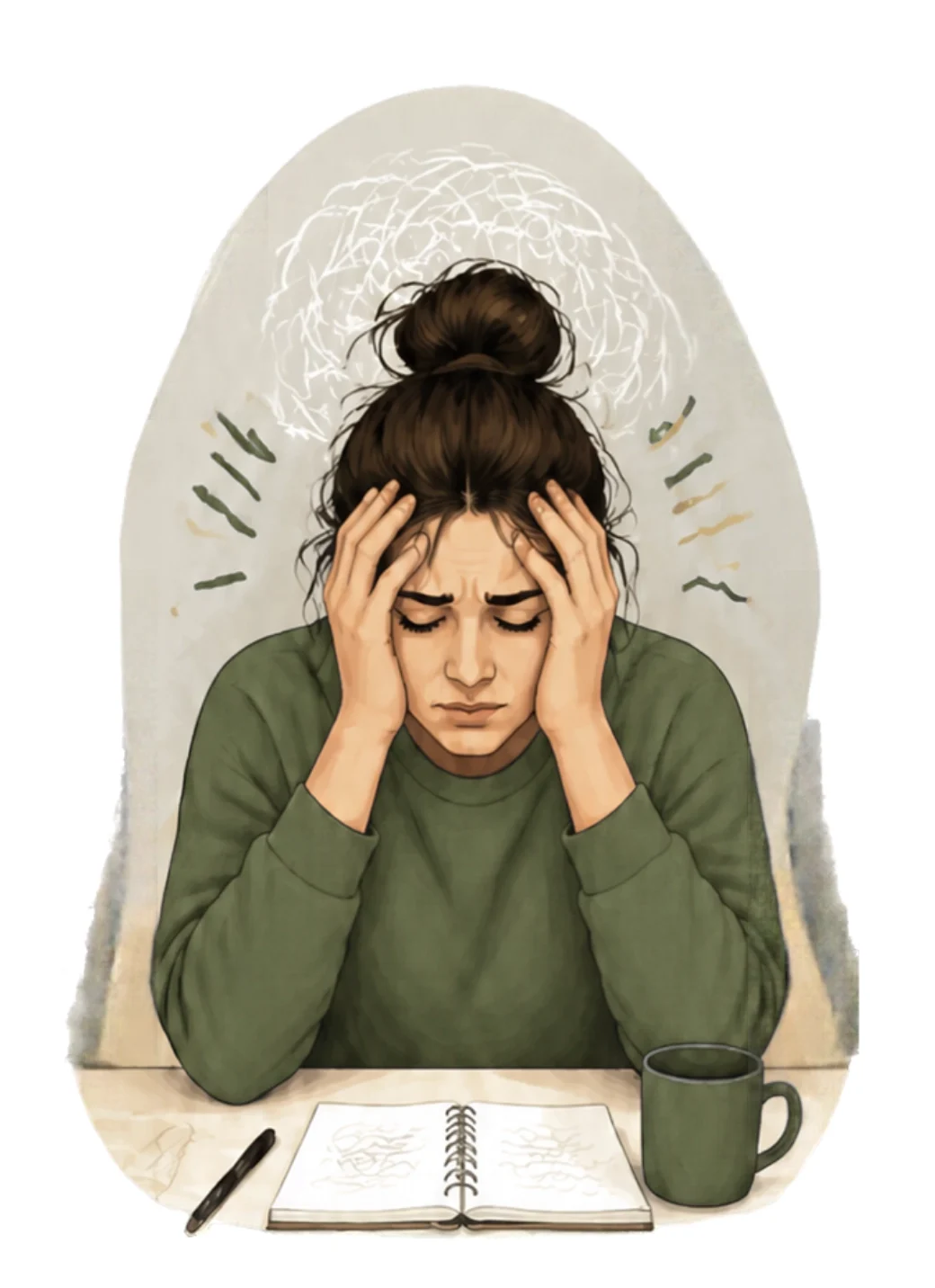
- Persistent mental fatigue
- Brain fog and difficulty focusing
- Decision paralysis
- Difficulty initiating and completing tasks
- Struggling to prioritise responsibilities
- Reduced motivation and productivity
Emotional Symptoms of ADHD Burnout
ADHD burnout can also have a significant impact on emotional wellbeing. When your capacity to regulate emotions is already challenged, prolonged stress and exhaustion can make emotional responses more difficult to manage.
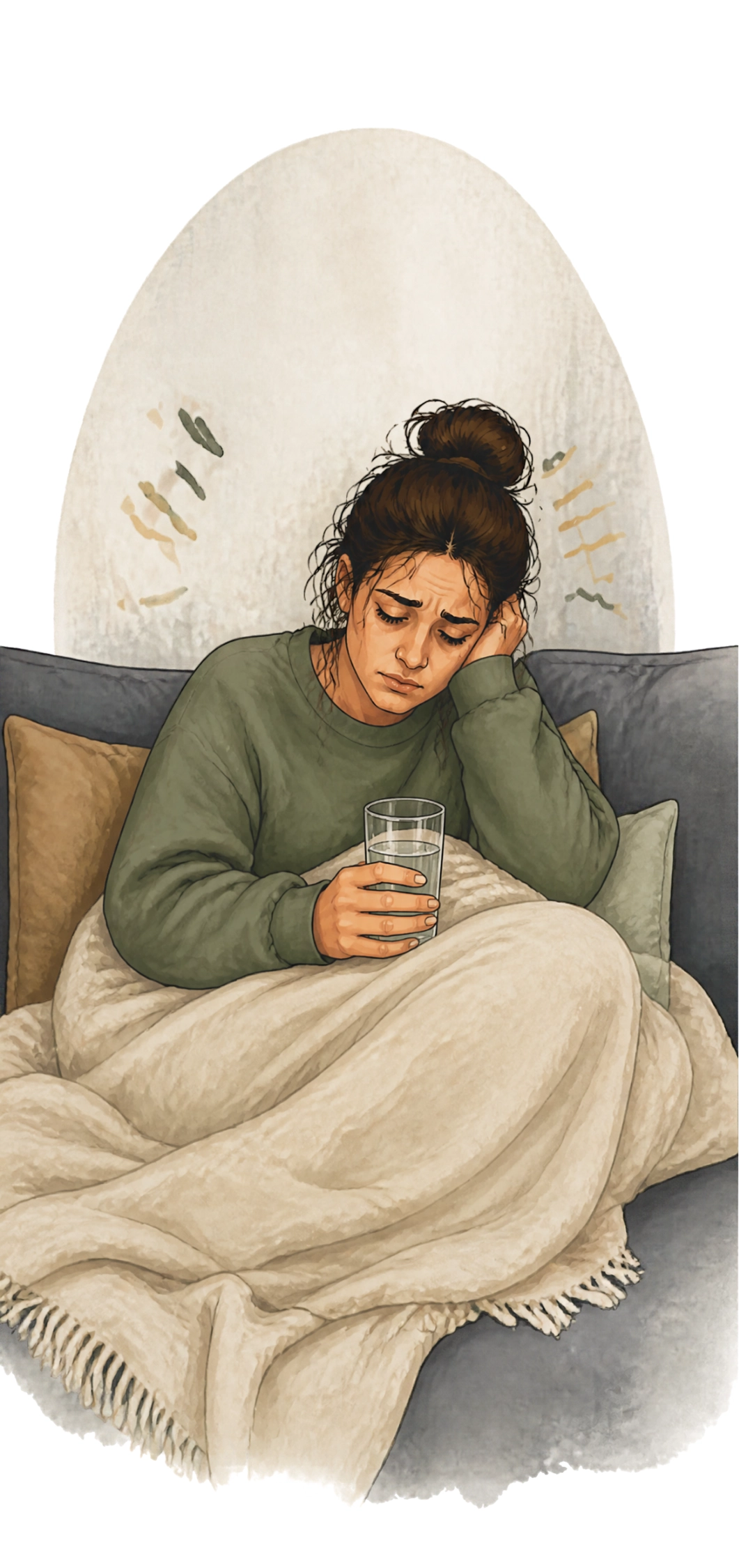
- Increased irritability and frustration.
- Heightened emotional sensitivity.
- Sudden mood changes.
- Feelings of guilt, shame or inadequacy.
- Emotional numbness or detachment.
- Increased anxiety and self-doubt.
- Feeling hopeless or overwhelmed.
- Avoiding situations that trigger stress.
You may also become increasingly critical of yourself, particularly when you struggle to meet expectations that previously felt manageable.
Physical Symptoms of ADHD Burnout
ADHD burnout does not only affect your thoughts and emotions. Prolonged stress and overexertion can also have physical consequences. Some people describe this experience as feeling ‘wired but tired’ – mentally agitated while physically exhausted.
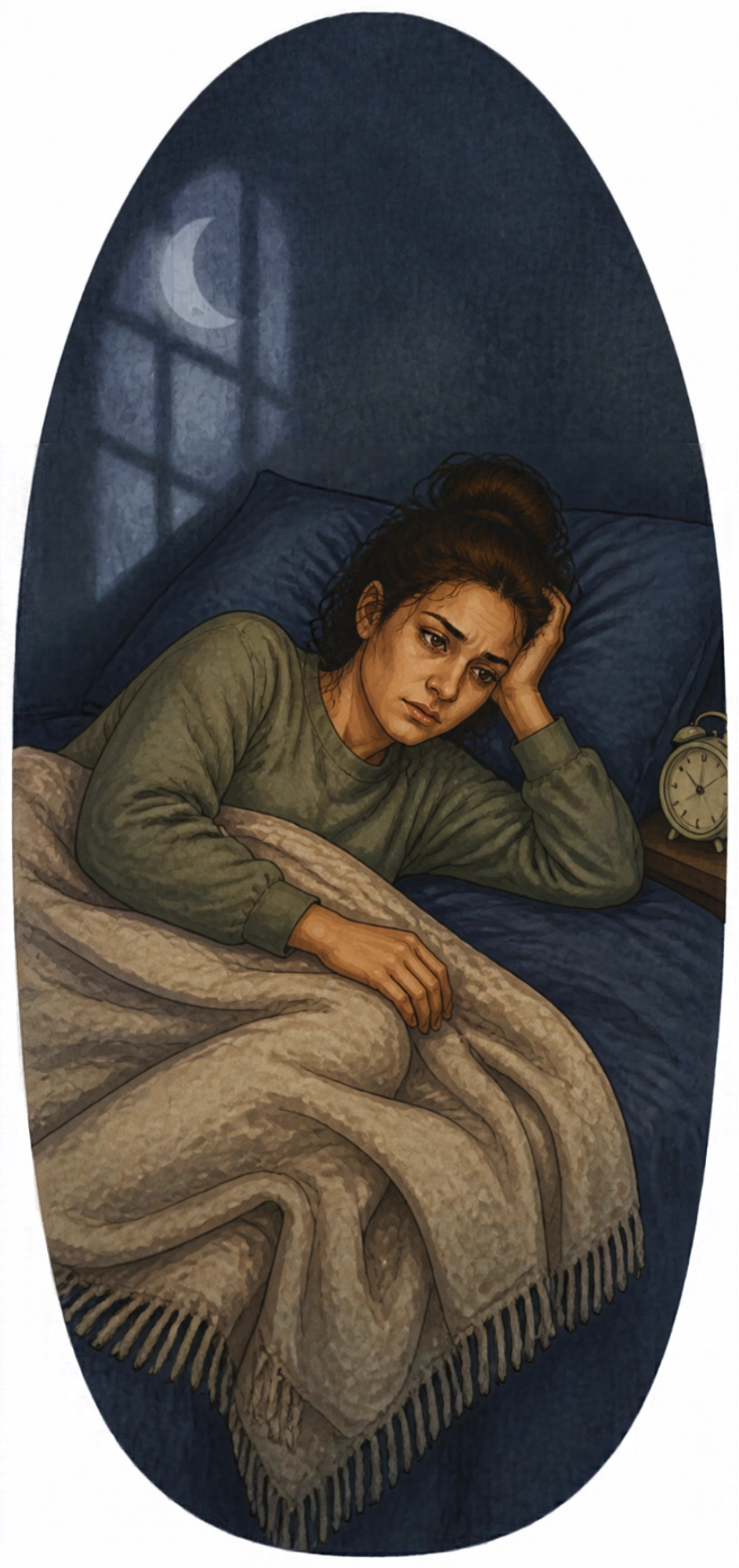
- Persistent fatigue, even after a full night’s sleep.
- Frequent headaches or tension headaches.
- Muscle aches and tension.
- Sleep disturbances, including insomnia or oversleeping.
- Changes in appetite and digestion.
- Fluctuating energy levels throughout the day.
- Physical restlessness despite feeling exhausted.
- Tension in the jaw, neck and shoulders.
- Feeling physically depleted but mentally restless.
Recognising these physical warning signs can help you identify when you may need additional support.
What Does ADHD Burnout Feel Like?
You may be aware that you are stressed but suddenly it feels as if you’ve hit a wall. Everything is too much effort, and you feel overwhelmed by simple tasks or decisions. You may try to rest but find that a few hours off or several nights of good sleep does not fix the problem. You may also still find it hard to relax – your brain may be racing and unable to focus on one thing or start a task.
You might find that you withdraw from social interactions or relationships because you feel disconnected, numb or unable to mask in the way you usually do. You can also feel more irritable, particularly if people are continuing to make demands on your time or energy, but not find it easy to articulate why.
You can start falling behind at work or university, and become frustrated that everything feels so hard. It can be easy to internalise this as personal failure but it is helpful to recognise that none of us can do everything. You simply do not have the resources to meet all the demands, and may need support to determine what you can reasonably manage.
What Causes ADHD Burnout?
People with ADHD are more prone to developing burnout. There are usually multiple factors at play.
Executive Dysfunction and Cognitive Overload
People with ADHD find it harder to plan, organise, prioritise, focus and initiate tasks. These are all actions that use executive function. Many adults with ADHD managed these processes when they were younger – they naturally developed strategies to compensate or relied on parents to provide structure and support.
Often as we get older we take on more responsibilities and tasks. This can happen gradually and may be difficult to spot. Promotions at work, living independently, managing household finances and childcare can all add to the invisible mental load.
If you have ADHD and appear outwardly high-functioning you may be more at risk of burnout. You may be used to managing executive functioning difficulties without realising the energy it takes. You may take on additional responsibilities at work or feel excited by new projects and overcommit on impulse. You may find it hard to recognise how much time or mental energy these demands will take and it can become a repeating pattern.
Masking
Masking is a behaviour more traditionally associated with autism or autism spectrum disorder but it is also often seen in individuals with ADHD. Masking means suppressing or hiding ADHD-related behaviours in order to present yourself in a way that may be more acceptable to others, even if it is exhausting for you. This can happen in social and workplace settings. Many people with ADHD learn to hide behaviours that they believe might be judged negatively by others. Often these are adopted from a young age and many people may not realise how much they have been masking until they are diagnosed or read more about ADHD.
You might consciously try to appear attentive, calm or productive, even when you are struggling internally. For example, you may hide your restlessness during meetings, force yourself to maintain eye contact or spend additional time checking your work to avoid appearing forgetful. You might expend energy suppressing fidgeting, overprepare for social situations or constantly monitor how you behave. Research has found that masking is particularly common in the workplace for neurodivergent individuals, in part due to the lack of awareness about neurodiversity and individuals’ concern about disclosing their ADHD or ASD to their employer due to perceived stigma.
Although masking can help you navigate certain situations, maintaining this outward presentation requires ongoing effort. Over time, the difference between how you feel and how you behave can contribute to stress, anxiety and emotional exhaustion. It can also create a feeling of distance between you and others, where your internal experience is not the version of you that others see. This can lead to feelings of isolation or being misunderstood. Learning to recognise your needs and identify environments where you feel comfortable being yourself can be an important part of ADHD burnout recovery.
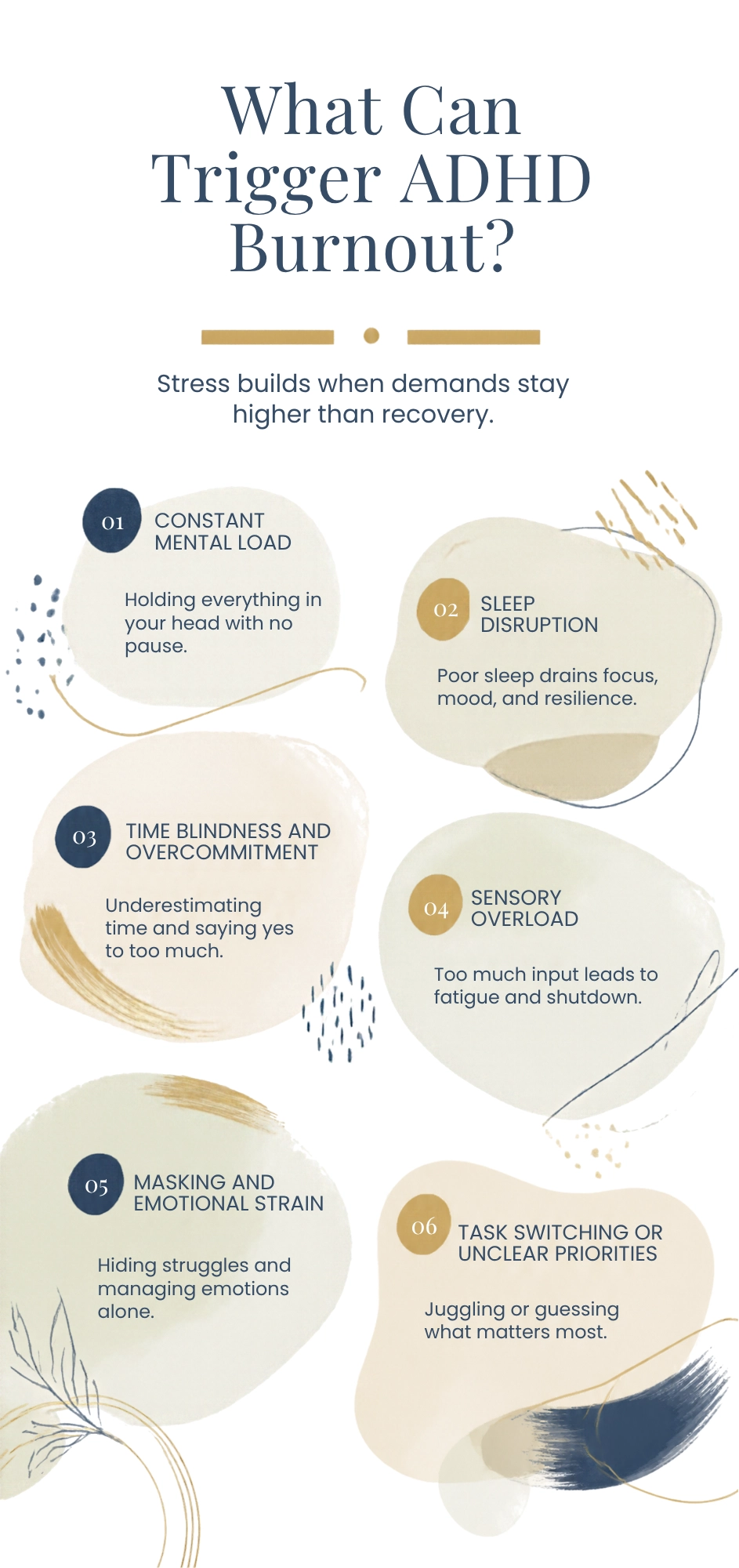
Sensory Overload
Some people with ADHD experience increased sensitivity to sensory information. You may find bright lights, background noise in an open office or long meetings draining. You may have long commutes to work with traffic, or crowded buses/transport. Outside the workplace you may struggle to focus on conversations in busy restaurants or bars due to noise or find childcare overwhelming. This can place more strain on your brain, which is already trying to compensate for other difficulties. Over time this can contribute to burnout.
Emotional Dysregulation and Rejection Sensitivity
Emotional regulation difficulties affect up to 80% of individuals with ADHD. You may experience frustration, disappointment or rejection particularly intensely, while finding it harder to return to your usual emotional baseline after a stressful experience. Repeated criticism, perceived failure, interpersonal conflict or difficulties meeting expectations can contribute to ongoing emotional strain. Over time, these experiences may increase anxiety, self-doubt and physical stress, making burnout more likely.
Overcommitting and Perfectionism
Many people with ADHD struggle to recognise their limits or manage competing demands. You might agree to additional responsibilities because you want to help others, demonstrate your capabilities or catch up with unfinished tasks. You might get excited by the idea of a new project and impulsively agree to get involved without considering the time or planning required. Perfectionism and people-pleasing can also make it difficult to say no. You may easily get bogged down in details when completing work, and feel increased pressure to make your work as good as possible. Although taking on additional commitments may initially feel manageable, repeatedly exceeding your available energy can lead to exhaustion.
ADHD Burnout and Work: Why the Workplace Can Be Challenging
Workplace demands can be a significant contributor to ADHD burnout. Traditional working environments often require sustained attention, effective time management, organisation, prioritisation and the ability to switch between competing responsibilities. You might find that you understand your responsibilities and have the necessary skills to perform your role but struggle with the executive functioning demands involved in completing your work consistently.
A 2024 study identified an association between repeated difficulties with planning, prioritising and completing work tasks, and increased stress and exhaustion among people with ADHD. Time management difficulties were particularly associated with persistent feelings of tiredness. Workplace adjustments can help reduce some of these pressures.
Examples include:
- Access to quiet workspaces to reduce sensory distractions.
- Clearer instructions and expectations.
- Breaking larger projects into smaller tasks.
- Flexible working arrangements where appropriate.
- Structured schedules with regular breaks.
- Workplace systems that support organisation and time management.
Creating an environment that recognises neurodivergent strengths and challenges can help make working life more sustainable.
ADHD Burnout in Women vs Men
In general research has consistently shown that women are more prone to burnout than men, even in the same work environment. There is variation between studies and their reported reasons for this; however it is likely that different social expectations and experiences play a role.
ADHD Burnout in Women
Women with ADHD are often diagnosed later. They experience hormonal fluctuations, which can exacerbate symptoms.
Women appear more prone to internalising their emotional experiences, which puts them at a higher risk of anxiety, depression, low self-esteem, and emotional dysregulation.

ADHD Burnout in Men
Men with ADHD may experience burnout associated with workplace pressures, financial responsibilities and expectations around productivity.
Some may feel pressure to appear strong, capable and independent, making it difficult to acknowledge emotional exhaustion or seek support.
In reality, ADHD burnout can affect anyone, regardless of gender. Recognising the influence of individual circumstances, social expectations and personal coping strategies is important when developing an appropriate recovery plan.
ADHD Burnout vs Autistic Burnout: What’s the Difference?
ADHD and autism are distinct neurodevelopmental conditions, although they share some overlapping characteristics. Both can involve sensory sensitivities, social challenges and masking behaviours, which may contribute to burnout. ADHD burnout is often associated with the ongoing effort of managing executive dysfunction, emotional regulation, overstimulation and cycles of unsustainable productivity.
Autistic burnout is associated with prolonged sensory, social and cognitive demands, particularly when someone is continually masking autistic traits or navigating environments that do not accommodate their needs. If you have ASD you may find it difficult to recognise or talk about your feelings (alexithymia), which can make it harder for you to realise you are getting increasingly stressed. You may miss initial signs of burnout. This can lead to exhaustion, regression in social skills and withdrawal.
If you have ADHD and autism, known as AuDHD, burnout may involve a combination of these challenges. Understanding the differences can help ensure that recovery strategies address your specific needs.
Is it ADHD Burnout or Depression: How Can You Tell the Difference?
ADHD burnout and depression can share several symptoms, making it difficult to distinguish between them without a psychiatric assessment. Burnout is not an official psychiatric diagnosis and requires a different approach from depression.
Both conditions can involve:
- Fatigue
- Reduced motivation
- Difficulty concentrating
- Loss of interest in activities
- Social withdrawal
ADHD burnout is generally associated with prolonged demands and exhaustion linked to managing ADHD symptoms. You may feel overwhelmed but still experience joy in activities unrelated to the stressor.
Depression is a separate mental health condition that can develop independently or alongside ADHD burnout. Depression is associated with pervasive low mood. If you suffer from depression, you are more likely to have changes to your appetite and sleep patterns. You are also more at risk of suicidal thoughts and generalised anhedonia.
The two can also influence one another. Prolonged burnout may contribute to worsening emotional wellbeing, while depression can make existing ADHD-related difficulties harder to manage. If you are experiencing persistent low mood, exhaustion or a loss of interest in everyday activities, speaking to a psychiatrist can help clarify what is happening and identify appropriate treatment.
How Long Does ADHD Burnout Last?
There is no fixed timeframe for recovering from ADHD burnout. Much depends on how quickly you realise it is developing and how easy it is to make changes to stressors in your life. Some people may begin to feel better after several weeks of reducing their demands and prioritising rest. Others may experience symptoms lasting for months or even years, particularly if the underlying causes remain unaddressed or there is co-occurring mental or physical illness.
Recovery can depend on several factors, including:
- The severity and duration of burnout.
- The level of ongoing stress and responsibility.
- Access to appropriate ADHD support.
- The presence of other mental health conditions.
- Opportunities for adequate rest and recovery.
- Whether environmental pressures can be reduced.
Research suggests that people experiencing ADHD symptoms, including university students, may be at increased risk of prolonged stress and burnout. Recognising the warning signs early, accessing appropriate support and making sustainable changes can all help improve recovery.
How to Recover from ADHD Burnout
Recovering from ADHD burnout involves more than simply taking time off work/study. Often burnout symptoms return when people go back to work, especially if nothing has changed. It is important that you seek support to address the underlying contributory factors. There is no single recovery strategy that works for everyone. The most effective approach will depend on your individual symptoms, circumstances and support needs.
Here is what we would recommend:
1. Seek Support from an ADHD Specialist
Working with a psychiatrist or psychologist who understands ADHD can help you identify the factors contributing to burnout and develop a personalised recovery plan.
A psychiatric assessment can help you understand your symptoms, assess your overall mental and physical health and work with you to develop a treatment plan. A clinical psychologist can help you develop strategies and challenge habitual behaviours which may be contributing to your burnout, using psychological therapy. Both can identify practical ways to reduce everyday demands. Professional support can also help you rebuild confidence and develop healthier expectations around productivity and self-worth.
2. Prioritise Rest
Quality rest is an important part of ADHD burnout recovery. Even if you are struggling to sleep, scheduling periods of rest throughout the day is important. Remember that recovery does not need to involve you being productive. Allowing yourself time to rest without guilt is an important part of the process.
3. Practise Self-Care
Identify activities that help you feel calmer and more comfortable. These do not have to be typical ‘self care’ suggestions such as yoga or meditation, which may not suit you. They can include:
- Gentle exercise or walking
- Spending time outdoors
- Swimming
- Mindfulness and breathing exercises.
- Listening to music
- Spending time on personal interests and hobbies
The aim is to find activities that feel restorative rather than adding further expectations or goals to your routine.
4. Find Time to Ditch the Masking
If you regularly hide your ADHD symptoms to meet other people’s expectations, consider where you might feel comfortable being more authentic.
This could involve spending time with trusted friends, finding supportive communities or creating opportunities to relax without worrying about how others perceive you.
Reducing the pressure to constantly monitor your behaviour can help decrease emotional and cognitive strain.
5. Break Tasks into Smaller Steps
Large or complex tasks can feel particularly overwhelming during burnout.
Breaking responsibilities into smaller, more manageable steps can make it easier to get started without becoming overloaded. You do not need to do everything and it is helpful to work out what can wait.
You might find it helpful to:
- Prioritise only essential responsibilities.
- Schedule regular breaks.
- Avoid taking on unnecessary commitments.
- Use written task lists.
- Focus on one activity at a time.
The objective is to reduce the mental effort required to manage everyday responsibilities.
6. Understand Your Energy Levels
ADHD burnout recovery often involves learning to recognise your personal energy patterns. Notice when you tend to feel most alert, when your concentration starts to decline and which activities leave you feeling particularly drained.
You can then begin adjusting your routine to accommodate these patterns.
For example, you might schedule demanding activities during periods when you have more energy and leave less demanding tasks for later.
Learning to pace yourself can help reduce the risk of repeatedly overexerting yourself.
Practical ADHD Burnout Coping Strategies for Everyday Life
Alongside longer-term recovery strategies, small adjustments to your daily routine can help reduce cognitive demands. Here are some practical tools you may find useful.
Use Timers to Manage Tasks
Timers can help you work in manageable periods without feeling pressured to complete everything at once. Set a realistic amount of time for a task and give yourself permission to stop when the timer finishes. If you find it helpful, play some music or take movement breaks.
Create Space around Decisions
Instead of enthusiastically jumping in to help others or get involved in projects, make yourself a rule that you have to wait 24 hours before committing. Often creating space can allow you to reflect on whether you have the capacity or time to do something. This can help reduce the risk of overcommitting.
Make Schedules Visual
Creating visual schedules can reduce the mental effort involved in remembering appointments, deadlines and everyday responsibilities. Having a clear reference point can make it easier to organise your day without constantly relying on memory.
Try the Five-Minute Rule
For small tasks, commit to working on them for just five minutes. This can make getting started feel less overwhelming. If you have the energy to continue, you can always spend another five minutes on the task.
Connect with Other People with ADHD
Spending time with people who understand your experiences can reduce feelings of isolation. This can be support groups or societies, and gives you the opportunity to exchange strategies and learn from others. It also provides a safe space not to mask without fear of judgement.
When Should You Seek Professional Help for ADHD Burnout?
Self-help strategies can be valuable, but there are times when professional support is particularly important.
Consider speaking to a psychiatrist if:
- Your symptoms are persistent or increasingly difficult to manage.
- Rest and self-care are not improving your exhaustion.
- You are struggling to maintain relationships or meet everyday responsibilities.
- You are experiencing persistent anxiety or low mood.
- You suspect you may have an underlying condition such as ADHD, depression or autism.
If you suspect ADHD may be contributing to your burnout but have not received a formal assessment, exploring an adult ADHD assessment can be a useful first step.
ADHD Burnout Treatment: What Support Is Available?

ADHD burnout treatment should be tailored to the individual’s symptoms, circumstances and underlying needs. At The Mind & Psychiatry Clinic our consultant psychiatrists always conduct a comprehensive assessment that takes into account your mental and physical health.
We work with you to create a treatment plan that works for you. This may include:
Psychological Therapy
Psychological therapy can help you understand the emotional and behavioural patterns associated with ADHD burnout. Mindfulness can also be incorporated into therapy and this can foster more emotional awareness.
Potential approaches include:
- Cognitive behavioural therapy (CBT).
- Compassion-focused therapy (CFT)
- Interpersonal therapy (IPT)
ADHD Education
Learning more about ADHD can help you understand why certain situations feel challenging and identify ways to manage your symptoms. Education and practical guidance can also help you develop more realistic expectations around productivity, organisation and emotional regulation.
Medication
You may require changes to ADHD medication or treatment for associated conditions, such as depression or sleep disorders. Our psychiatrists can discuss these with you. Sleep disorders, which are more common in ADHD, such as delayed sleep phase disorder. Speaking to a psychiatrist with expertise in ADHD and sleep can be helpful in establishing a consistent sleep routine, with or without medication.
Lifestyle and Practical Support
Depending on your individual circumstances, we can also help you with:
- Discussing and advocating for workplace adjustments
- Nutrition guidance and dietary adjustments.
- Sleep strategies.
- Practical strategies for managing everyday responsibilities.
The aim is to develop a sustainable approach that supports your individual needs rather than expecting you to continually adapt to environments that may not work for you.
Final Thoughts: Understanding and Recovering from ADHD Burnout
ADHD burnout is a complex experience that can affect your cognitive functioning, emotional wellbeing, physical health and relationships. Burnout is increasingly being recognised as a common phenomenon for neurodivergent individuals, including those who have ADHD.
We know that the effort involved in managing ADHD symptoms, navigating social expectations and meeting everyday responsibilities can gradually become overwhelming. Understanding the signs of ADHD burnout is an important first step towards recognising when you need support.
Professional support can help you identify the underlying causes of exhaustion, developing more sustainable routines and learning to work with your individual needs rather than against them.
Most importantly, ADHD burnout is not a personal failure, whether it happens once or you struggle with several episodes of it. With the right support, self-compassion and practical adjustments, it is possible to regain your energy, rebuild confidence and develop a more sustainable way of living.
Sources
- Arthur Cully S, Hatinova K, van de Leur JC, Björnsdotter M. Factors associated with symptom severity in stress-induced exhaustion disorder: cohort characterization and cross-sectional correlations. Front Psychiatry. 2025.
- Wurth P, Fuermaier AB, Strand AH, Thorell LB. Diagnosis acceptance, masking, and perceived benefits and challenges in adults with ADHD and ASD: associations with quality of life. Front Psychiatry. 2025.
- Pryke-Hobbes A, Davies J, Heasman B, Livesey A, Walker A, Pellicano E, Remington A. The workplace masking experiences of autistic, non-autistic neurodivergent and neurotypical adults in the UK. PLoS One. 2023.
- Liu Q, Chen W, Preece DA, Xu D, Li H, Liu N, Fu G, Wang Y, Qian Q, Gross JJ, Liu L. Emotion dysregulation in adults with ADHD: The role of cognitive reappraisal and expressive suppression. J Affect Disord. 2022.
- Babinski DE. Sex Differences in ADHD: Review and Priorities for Future Research. Curr Psychiatry Rep. 2024.
- Ali D, Bougoure M, Cooper B, Quinton AMG, Tan D, Brett J, Mandy W, Maybery M, Magiati I, Happé F. Burnout as experienced by autistic people: A systematic review. Clin Psychol Rev. 2025.
- Riethof N, Bob P, Laker M, Zmolikova J, Jiraskova T, Raboch J. Alexithymia, traumatic stress symptoms and burnout in female healthcare professionals. J Int Med Res. 2020.
- Turjeman-Levi Y, Itzchakov G, Engel-Yeger B. Executive function deficits mediate the relationship between employees’ ADHD and job burnout. AIMS Public Health. 2024.
- Erdal, Kerstin & Adami, Gordon & Gelléri, Petra & Dettmers. Stress and burnout in university students with ADHD-like symptoms: The role of memory bias and daily stress. International Journal of Educational Research Open. 2025.
Dr Alexandra Pittock is a consultant psychiatrist, and co-founder of The Mind & Psychiatry Clinic. She is an honorary clinical senior lecturer at the University of Edinburgh. Dr Pittock provides private psychiatric services in Edinburgh and via secure video consultation across the UK.